

Keelung: A City Born Looking Out to Sea
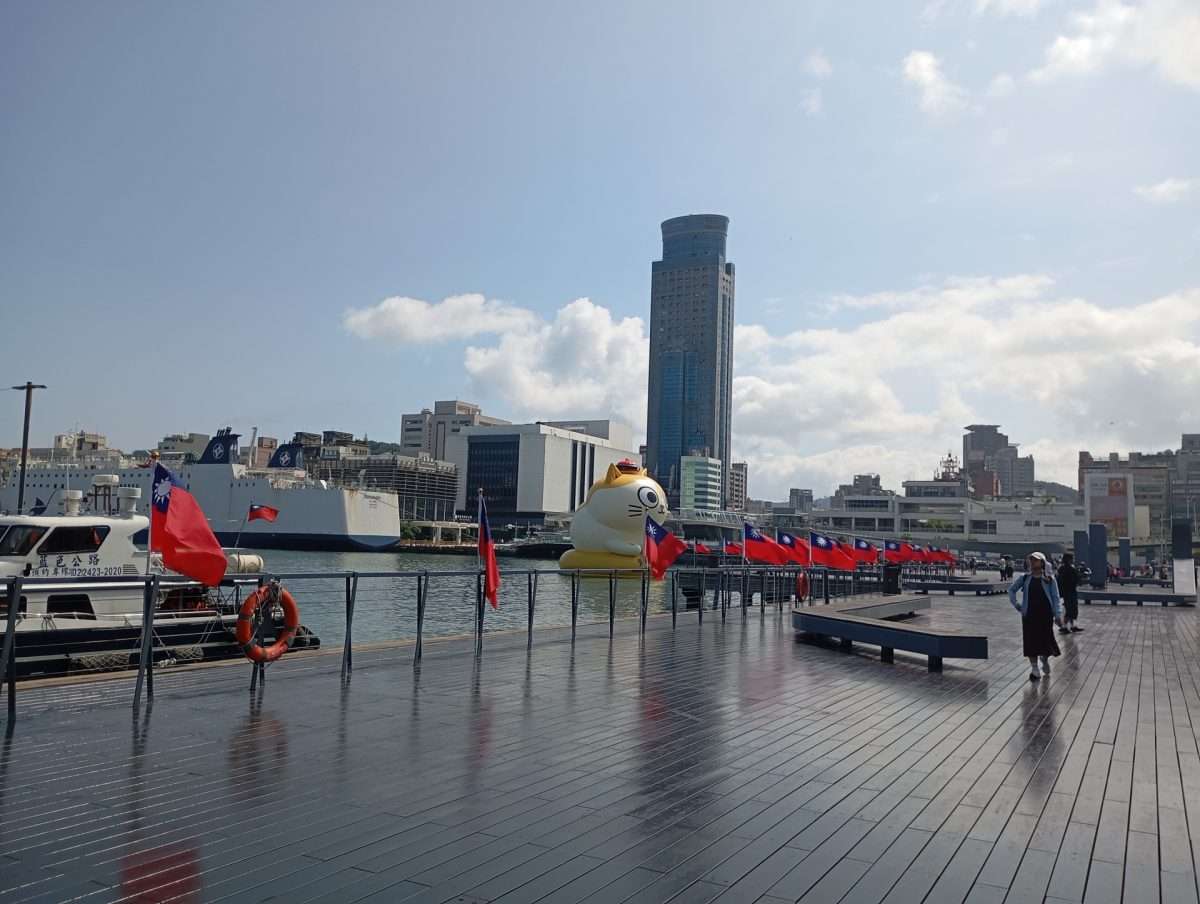
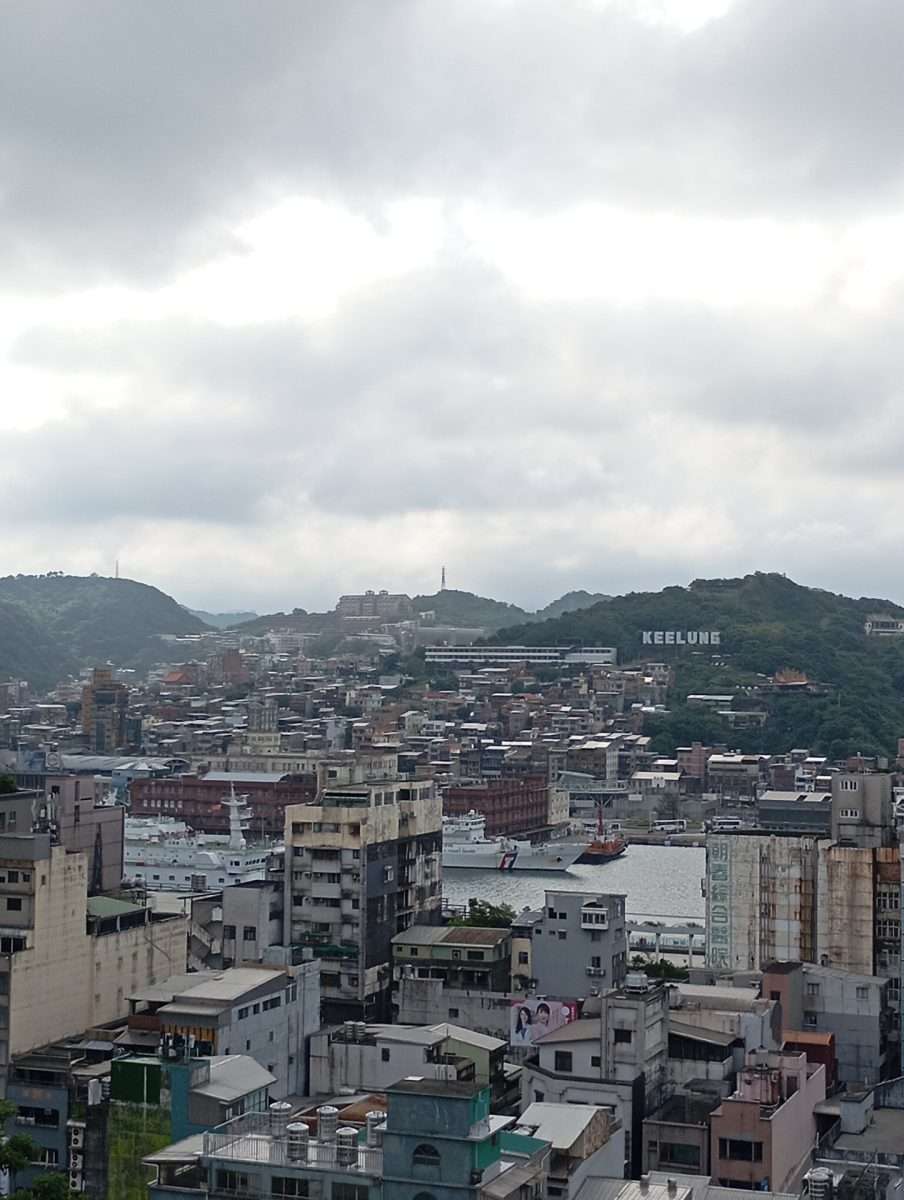
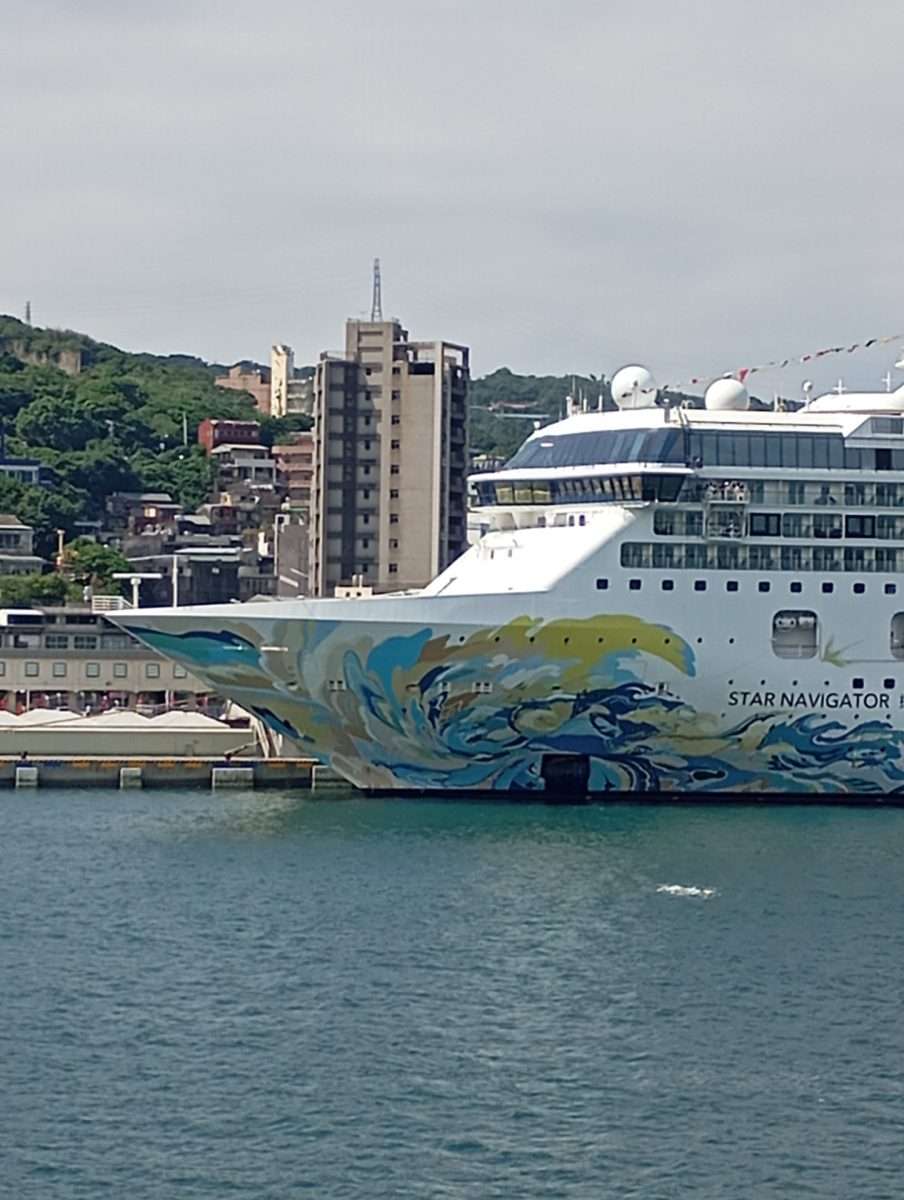
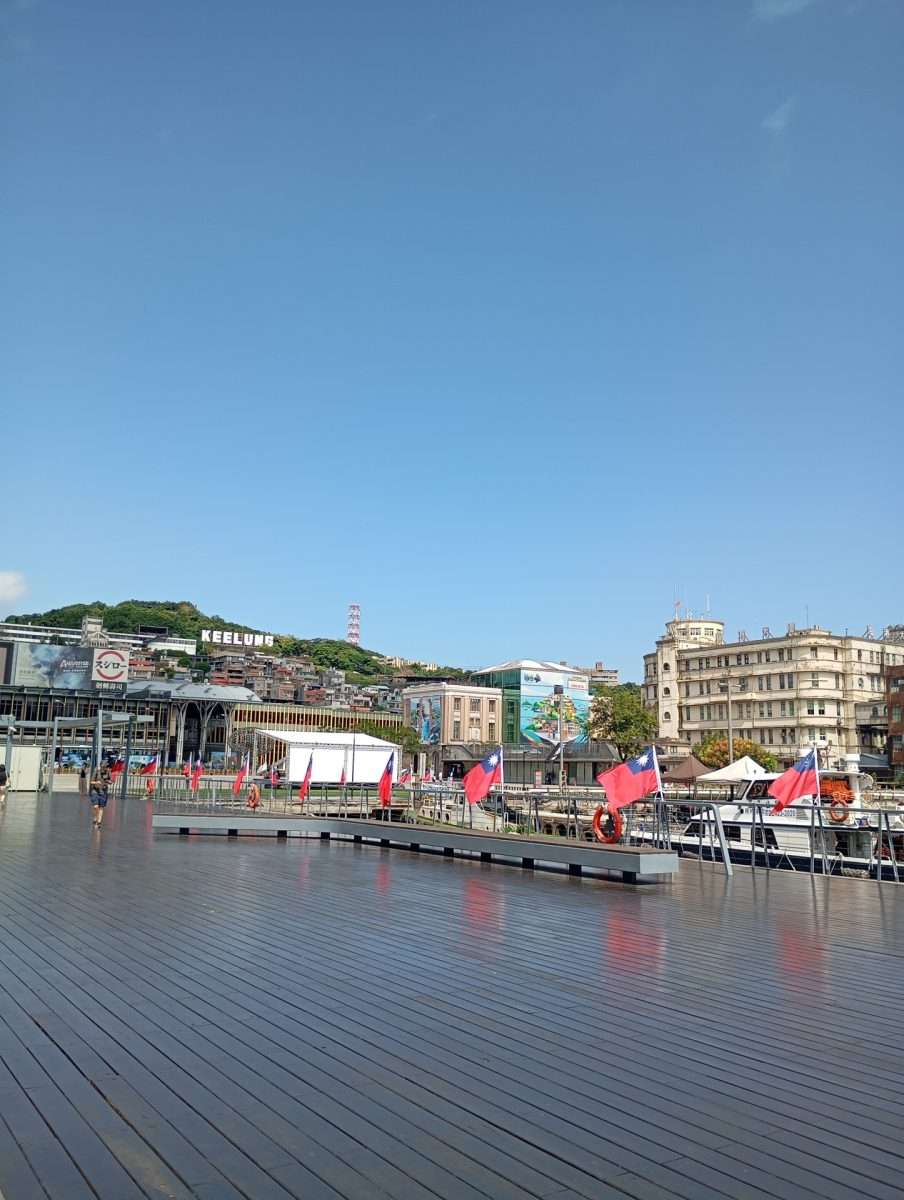
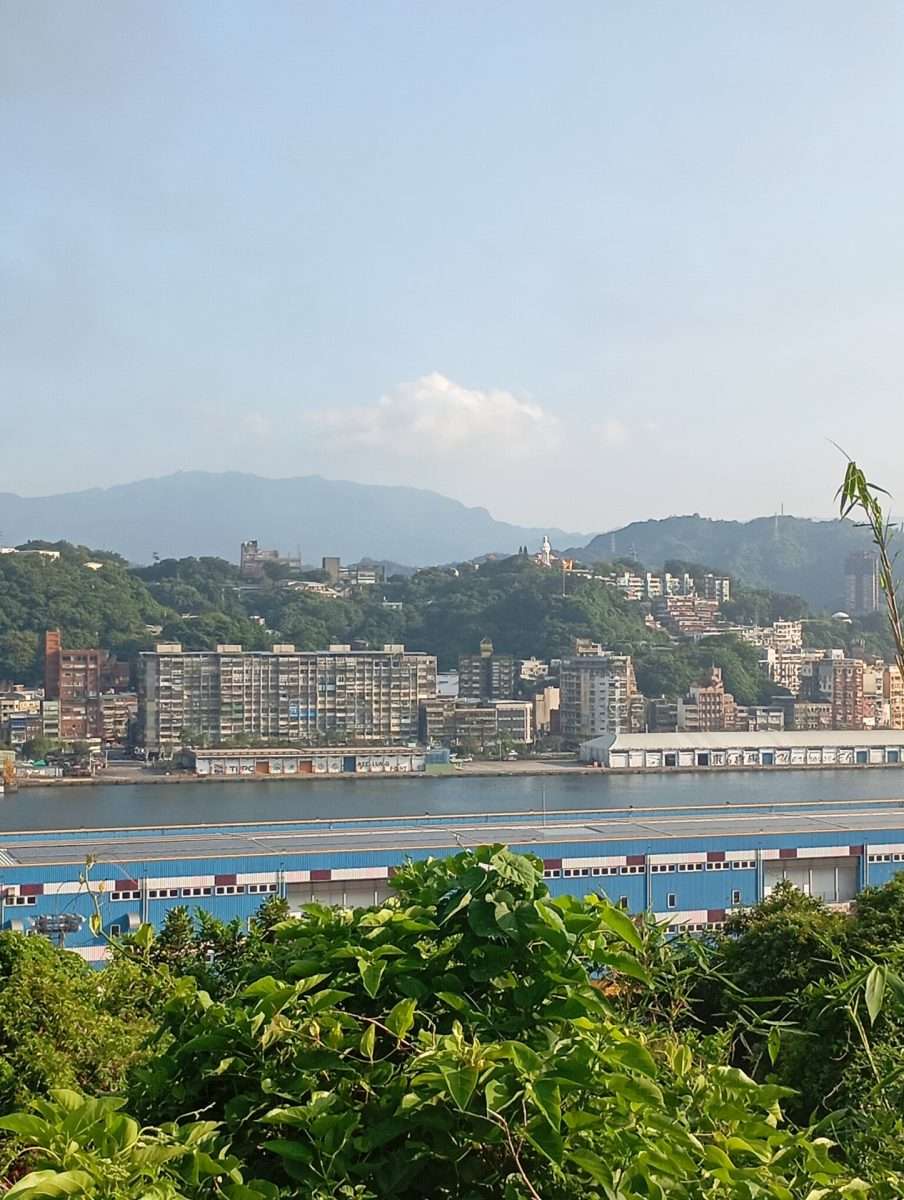
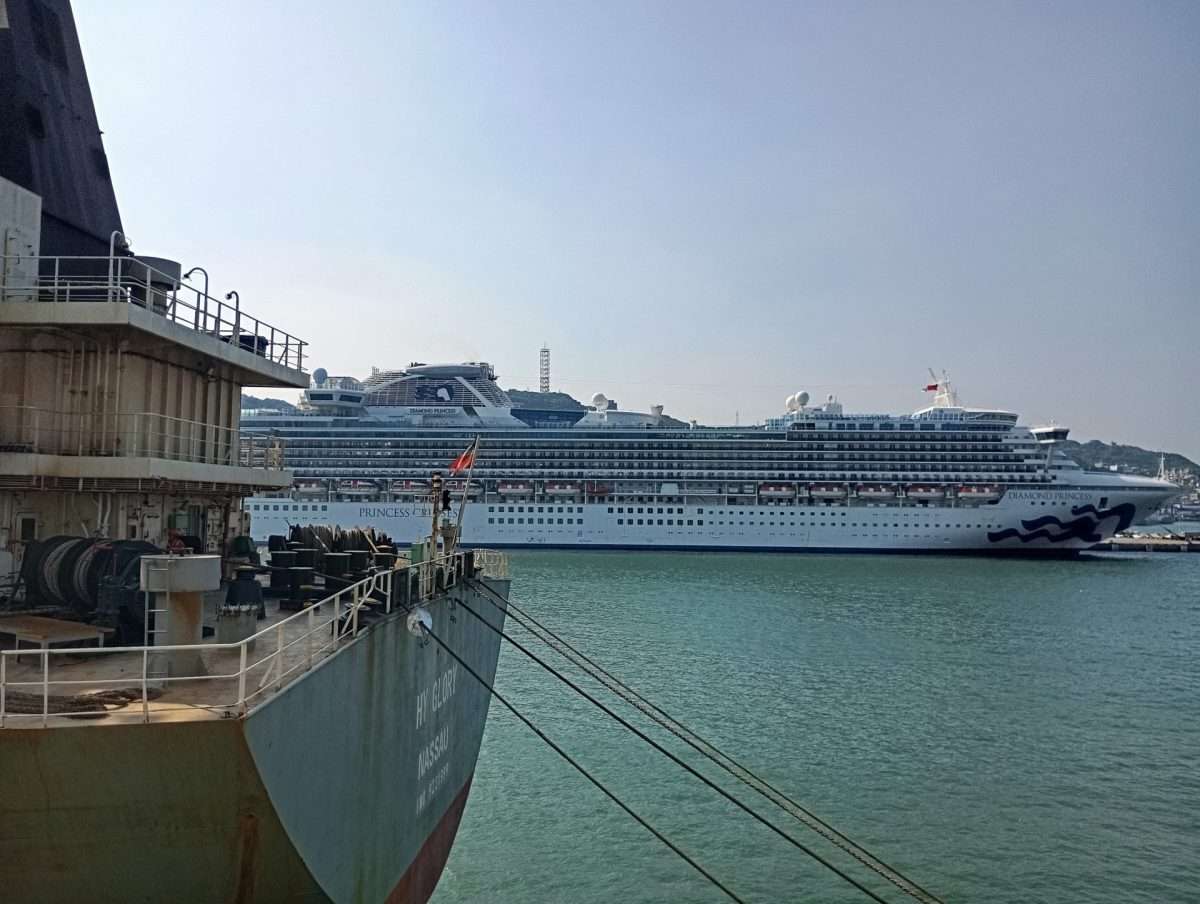
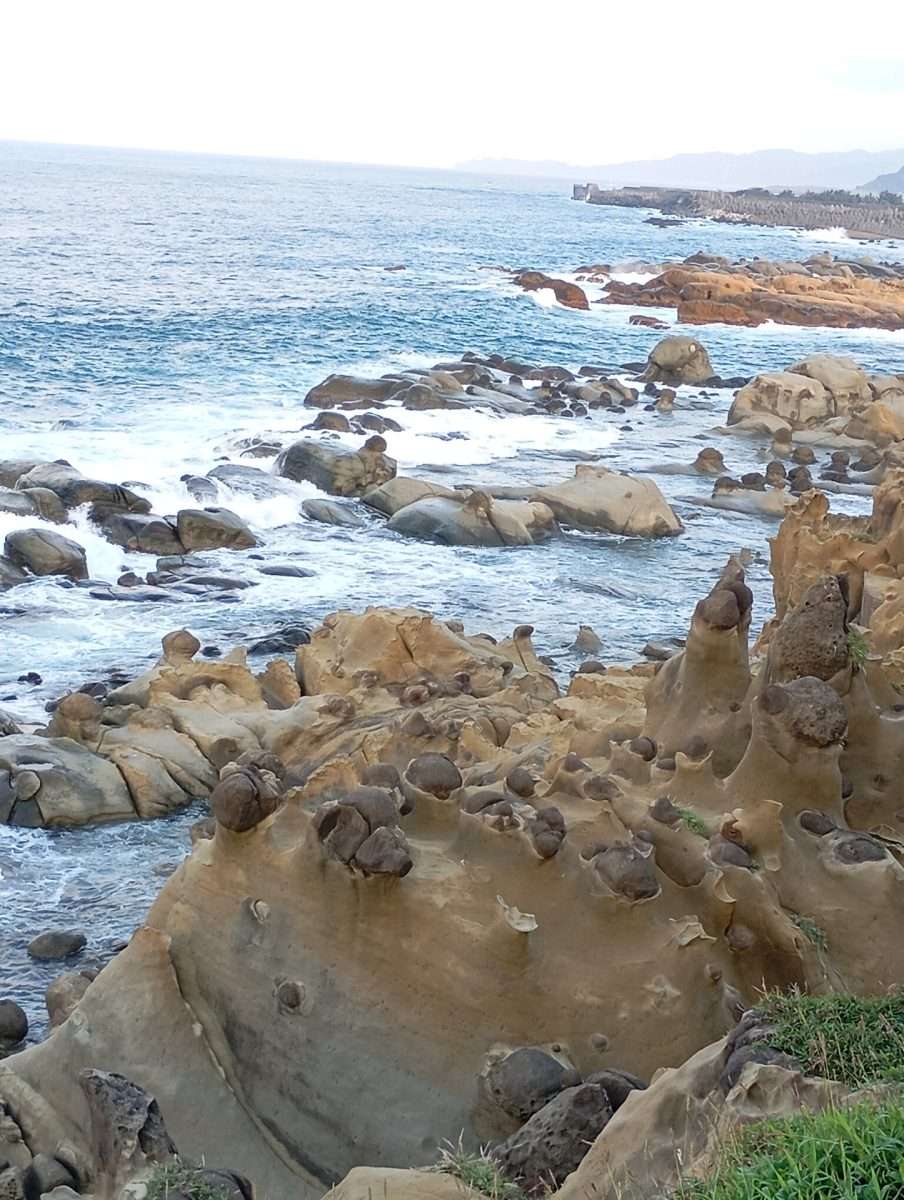
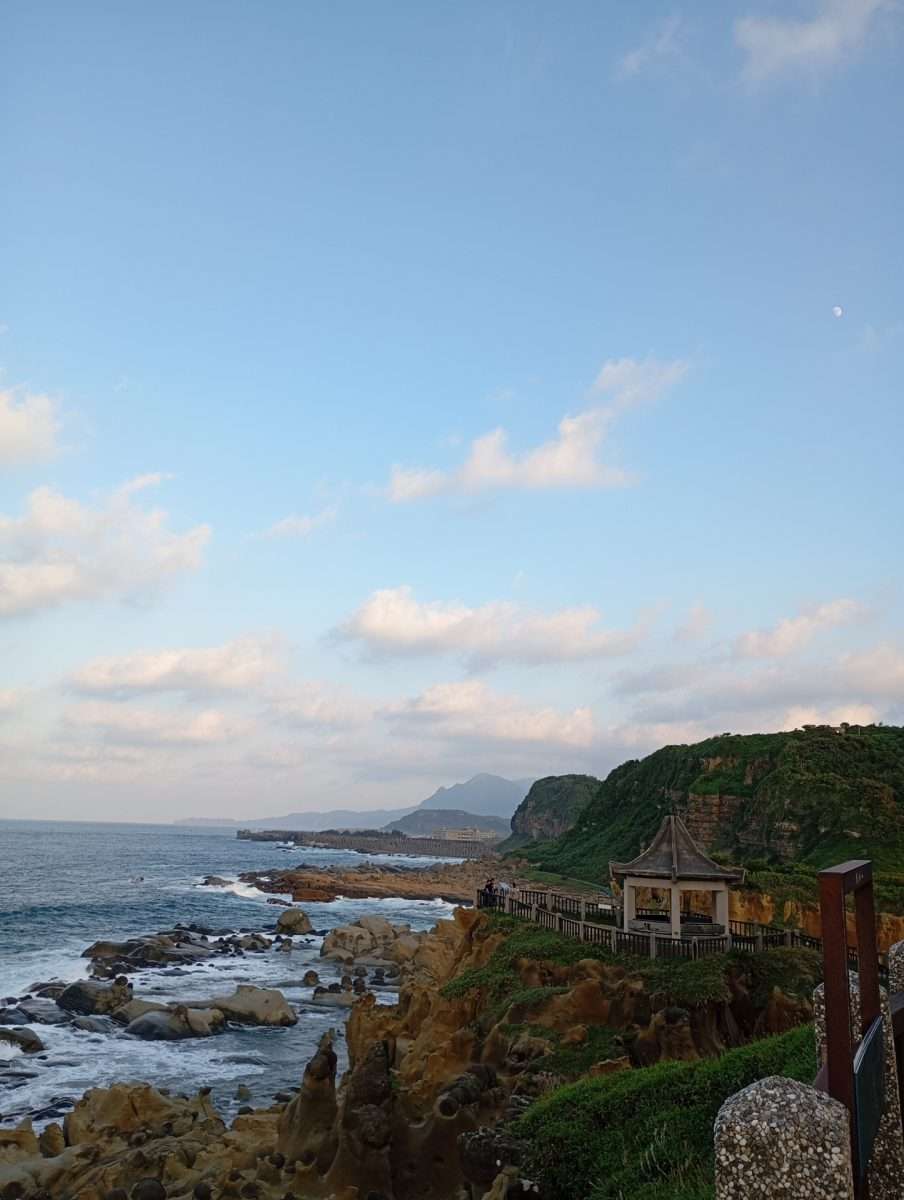
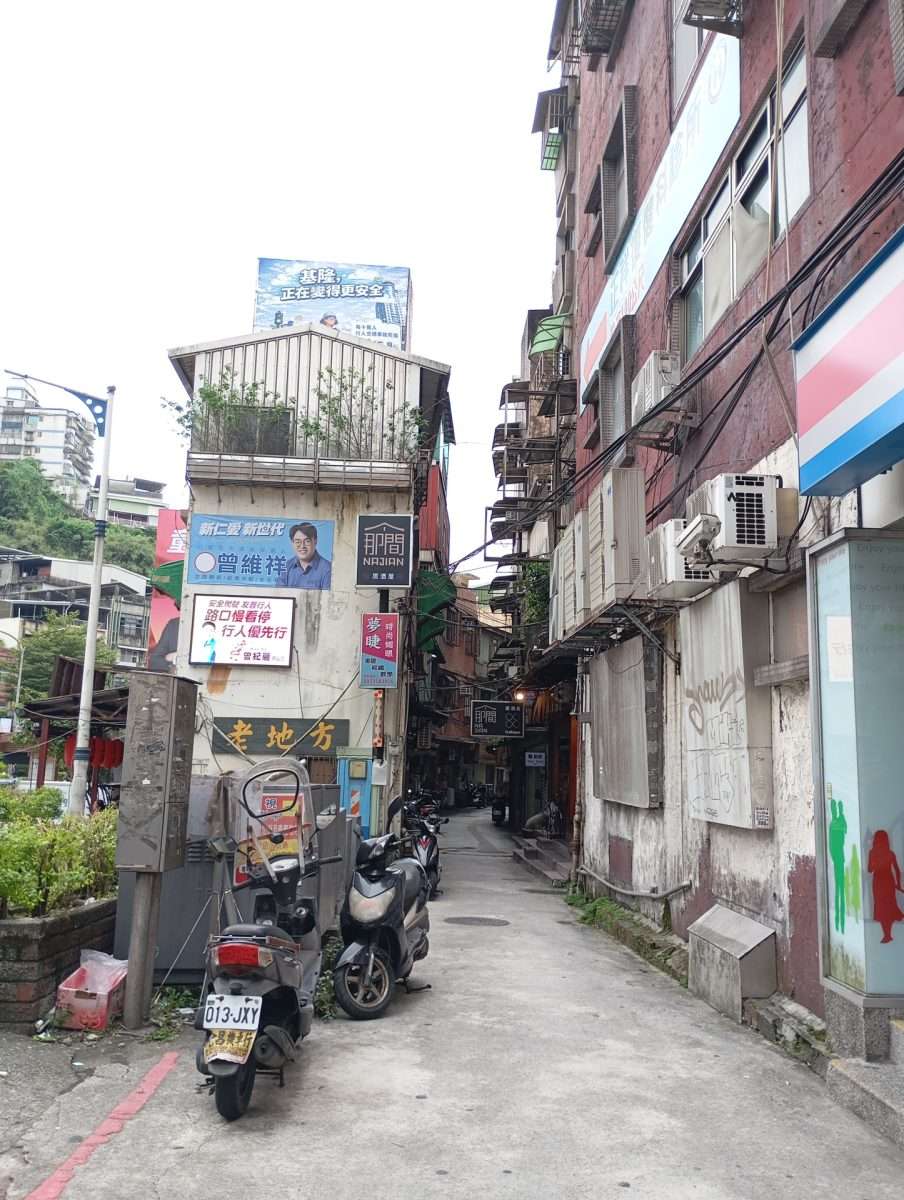
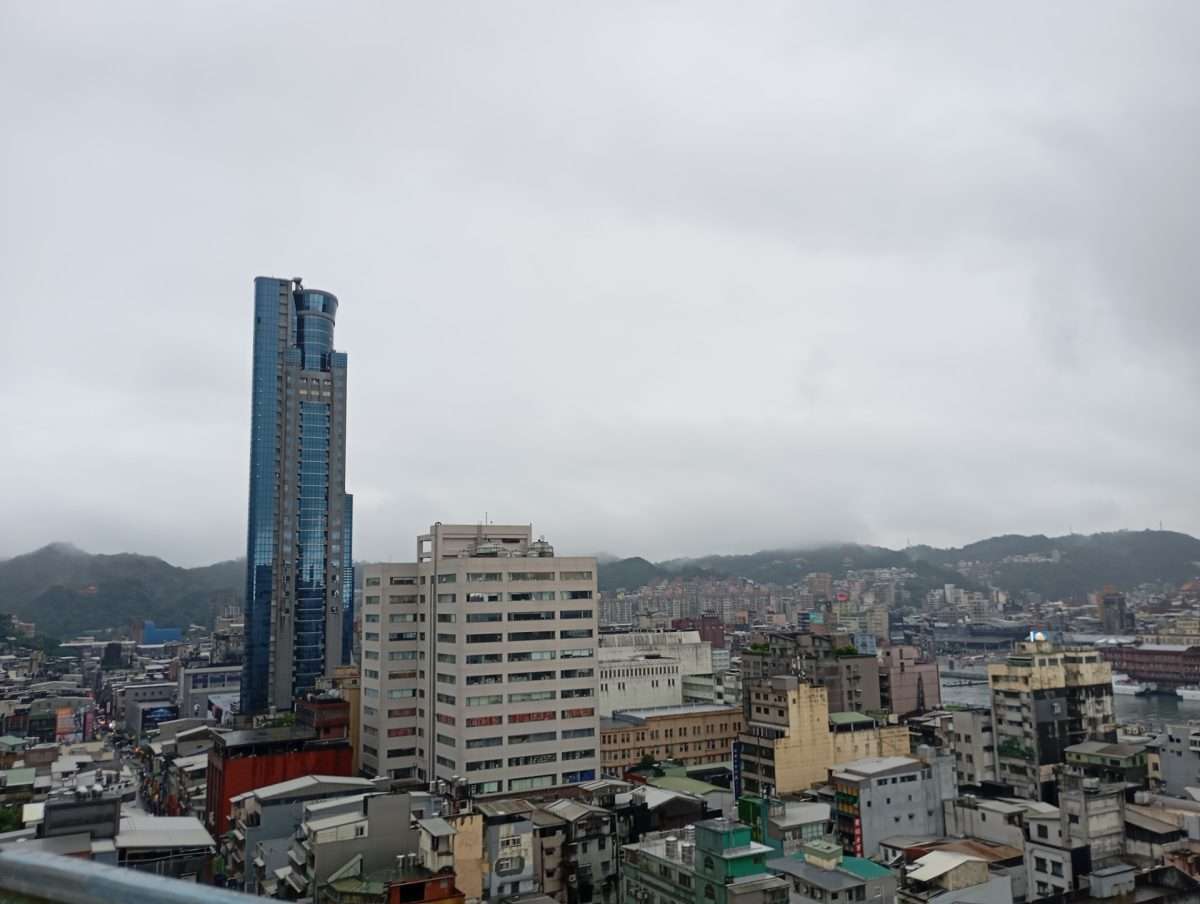
When you arrive in Keelung, it is easy to think that you are simply looking at a port city in northern Taiwan: mountains very close by, streets that climb and descend, frequent rain, ships coming and going, and a harbor that constantly appears between the buildings.
But Keelung’s sea is not simply scenery.
For centuries, it has been a means of communication, a source of food, a border, a trade route, and also a place of danger. And around this relationship with the sea, communities, migrations, economic activities, conflicts, beliefs, and ways of protecting themselves gradually took shape.
The territory we know today as Keelung has a much older history.
Before the arrival of European colonial powers, this area was already home to Indigenous peoples. Its location was strategic: a deep, sheltered bay open to the sea but surrounded by mountains. This made Keelung particularly attractive to those arriving by sea.
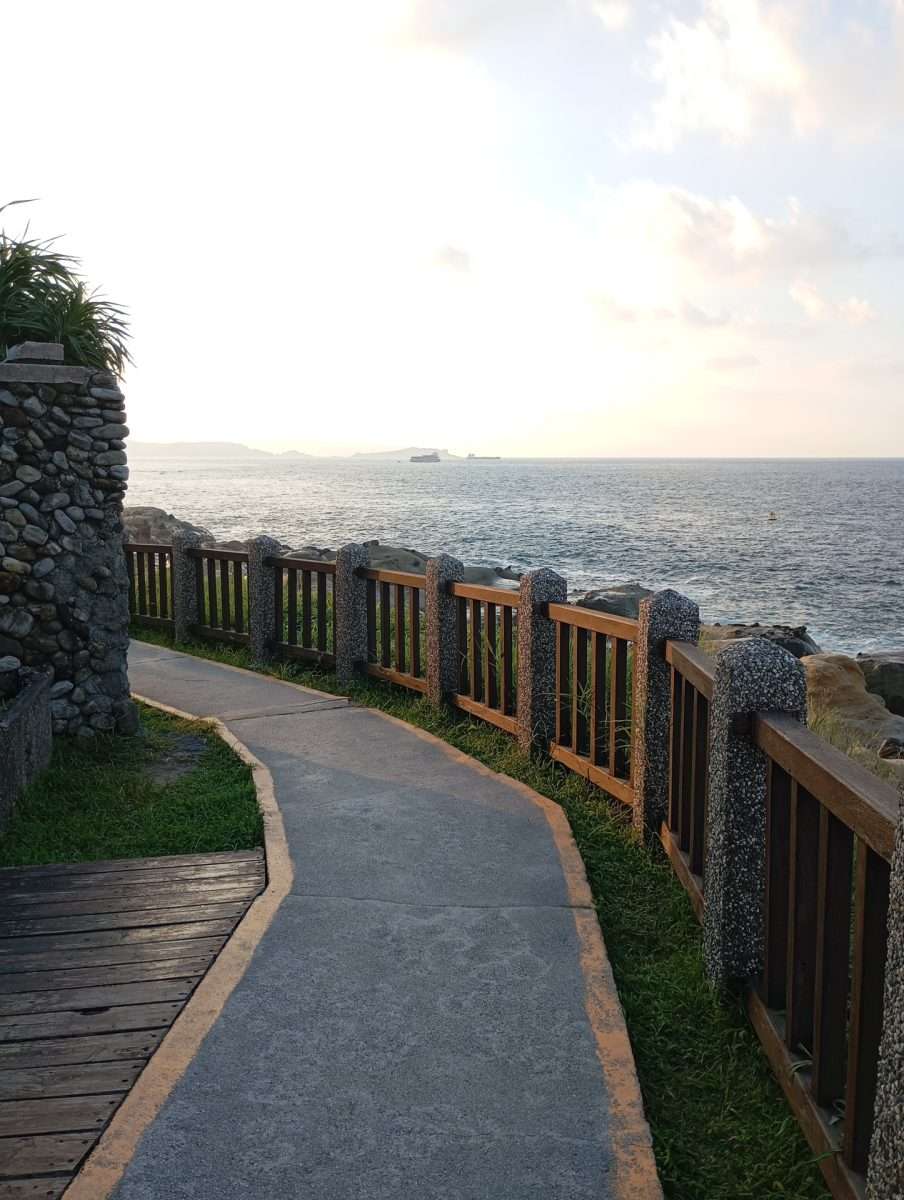
In the 17th century, Keelung became directly involved in the commercial and military routes of European powers competing to control maritime trade in Asia.
In 1626, the Spanish arrived in the area and established a fortification on what is now Heping Island. There, they built Fort San Salvador.
In 1642, the Dutch expelled the Spanish and took control of the area.
For a visitor today, these events may seem like distant history. But they left an important mark: Keelung began to become part of much broader maritime networks. The harbor connected people, goods, commercial interests, and different cultures. And that characteristic would never disappear.
Keelung became part of much broader maritime networks, an aspect we explore in depth throughout our History of Keelung Harbor. You can also read the essential guide 10 Best Things to Do in Keelung.
From Harbor to City
During the Qing period of rule, beginning in 1683, Keelung began to grow rapidly, partly because of its mineral resources.
The area had coal deposits as well as gold production. Mining, trade, and the harbor steadily increased the city’s economic importance. In 1895, Japanese Imperial forces captured Keelung, turning the city into their main gateway to the island.
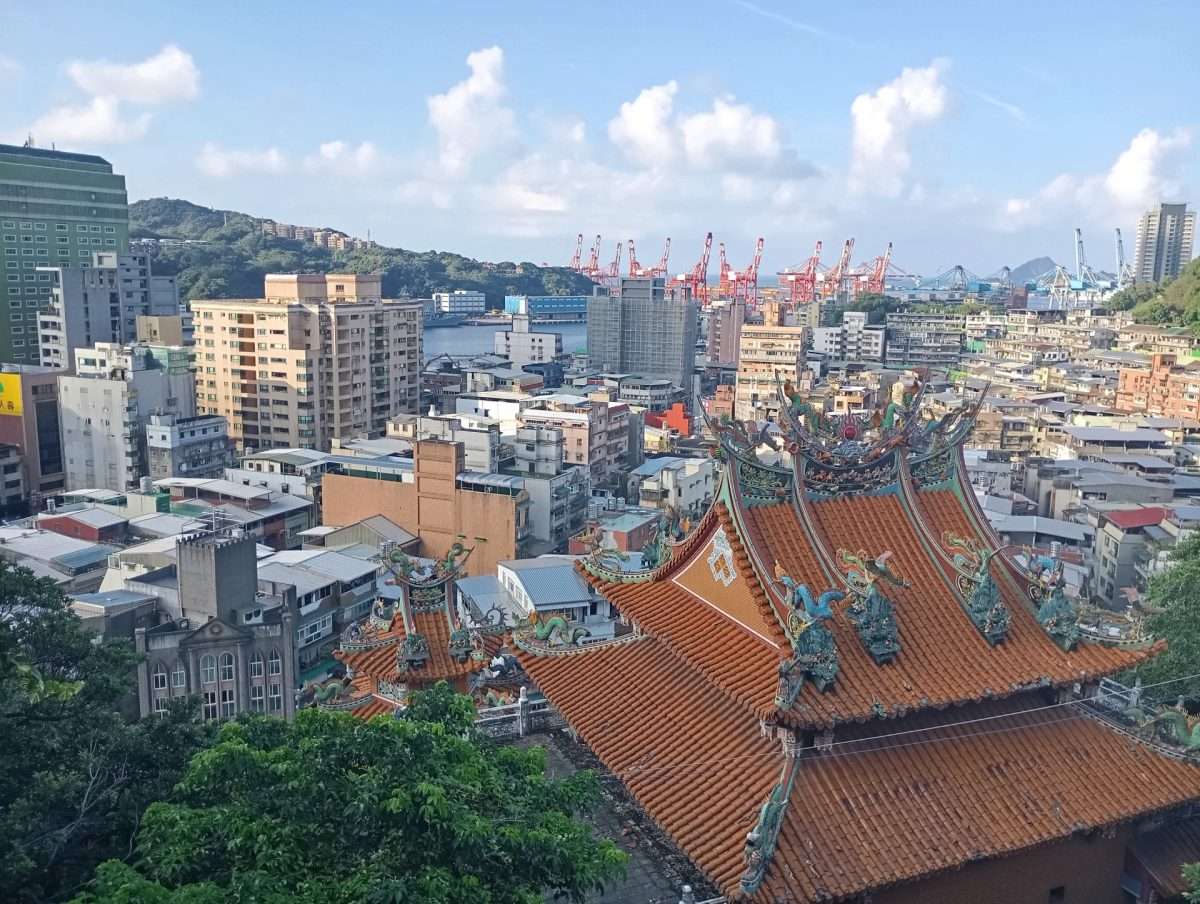 During the 50 years of Japanese rule, the harbor underwent major transformation, with successive stages of port construction. Keelung gradually took on an increasingly important role as a maritime connection between Taiwan and Japan.
The city we see today began to acquire many of its urban characteristics during this period: a harbor, commerce, transportation, industry, and neighborhoods built around maritime activities.
But another dimension of the city was growing as well: its communities and its temples.
A port does not transport only goods. It also transports people.
Throughout its history, Keelung received communities connected to trade, fishing, mining, transportation, and other activities related to the harbor. Many of these people did not arrive alone.
They came with their families, their customs, their ways of organizing themselves, and also with their deities. And this is fundamental to understanding Keelung’s temples.
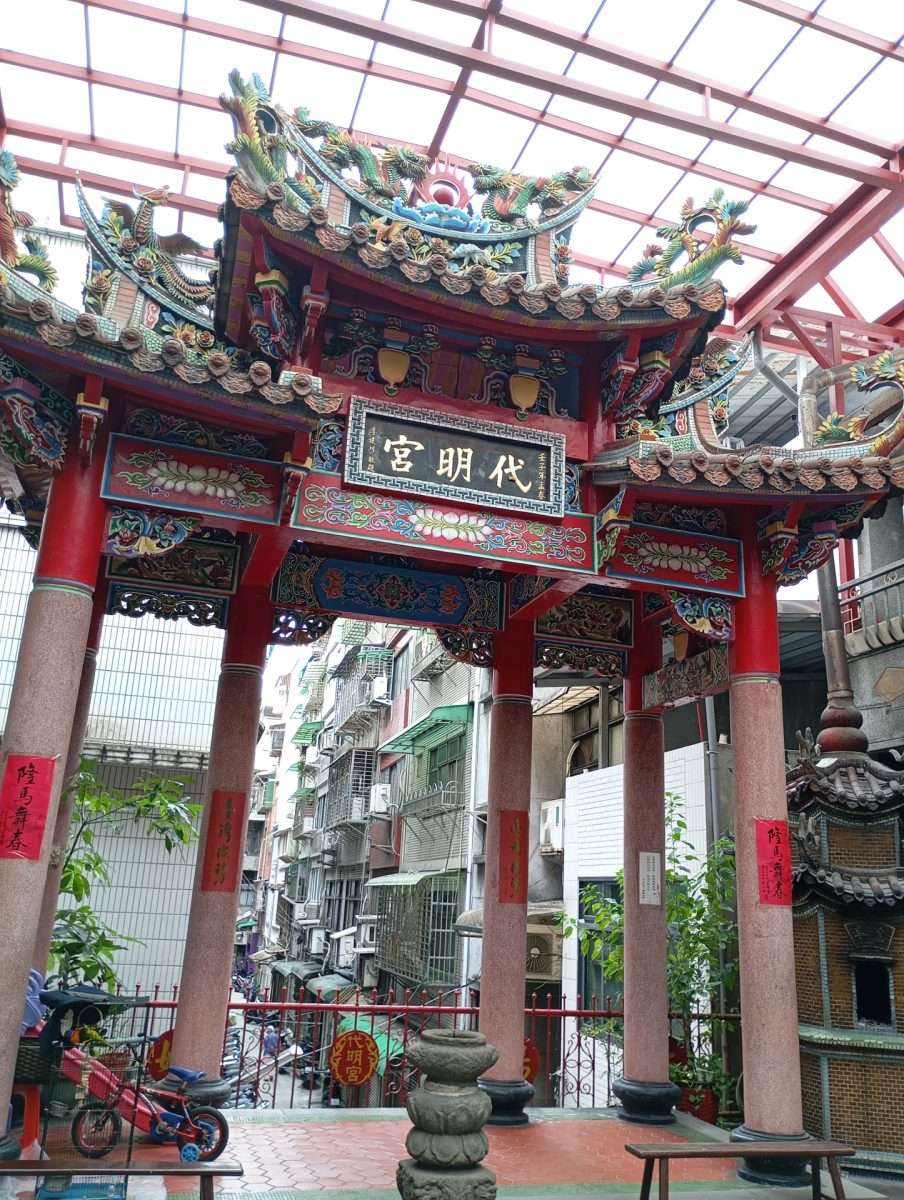
A temple does not necessarily appear because someone simply decided to build a religious building in a particular place. In many cases, it is connected to a specific community: a place to gather, honor their deities, and maintain ties with a history and a place of origin.
That’s why Mazu makes so much sense in a port city.
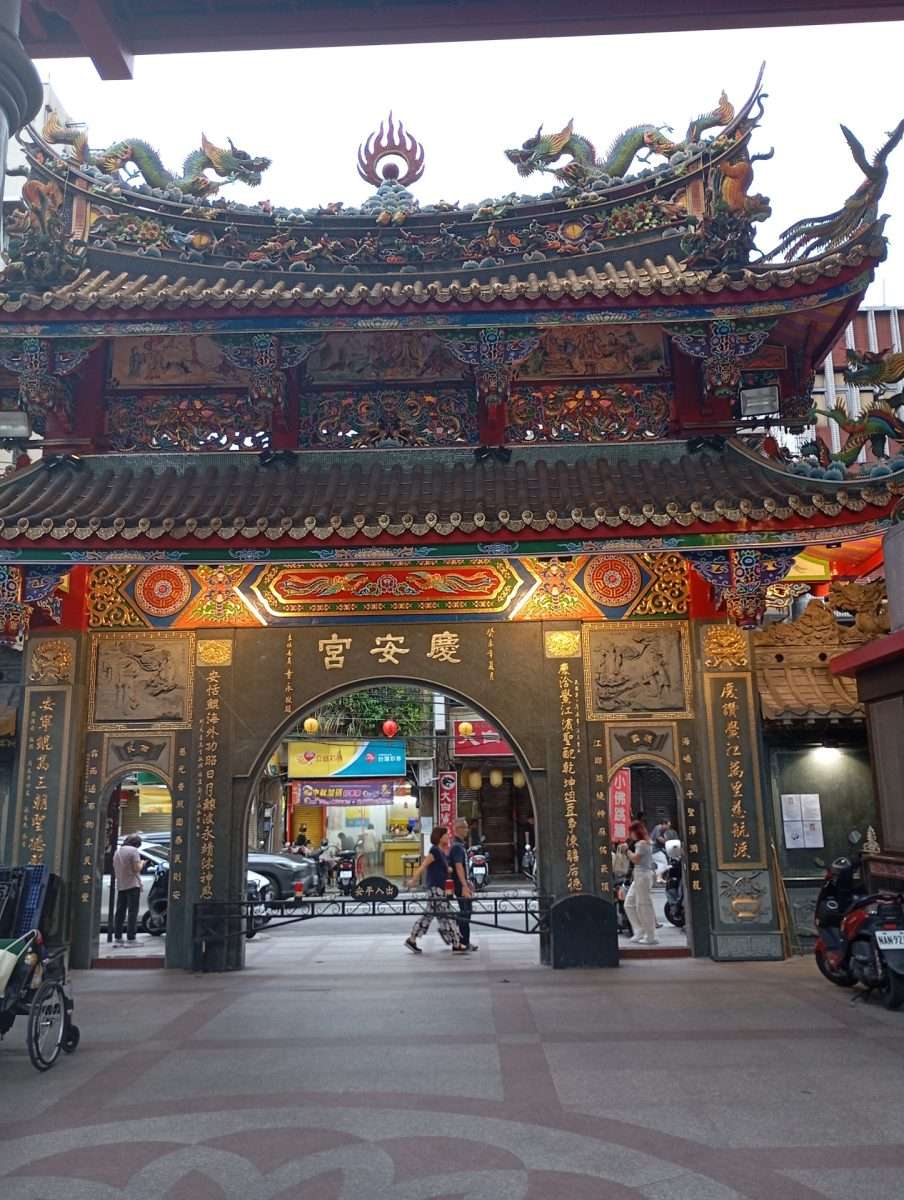
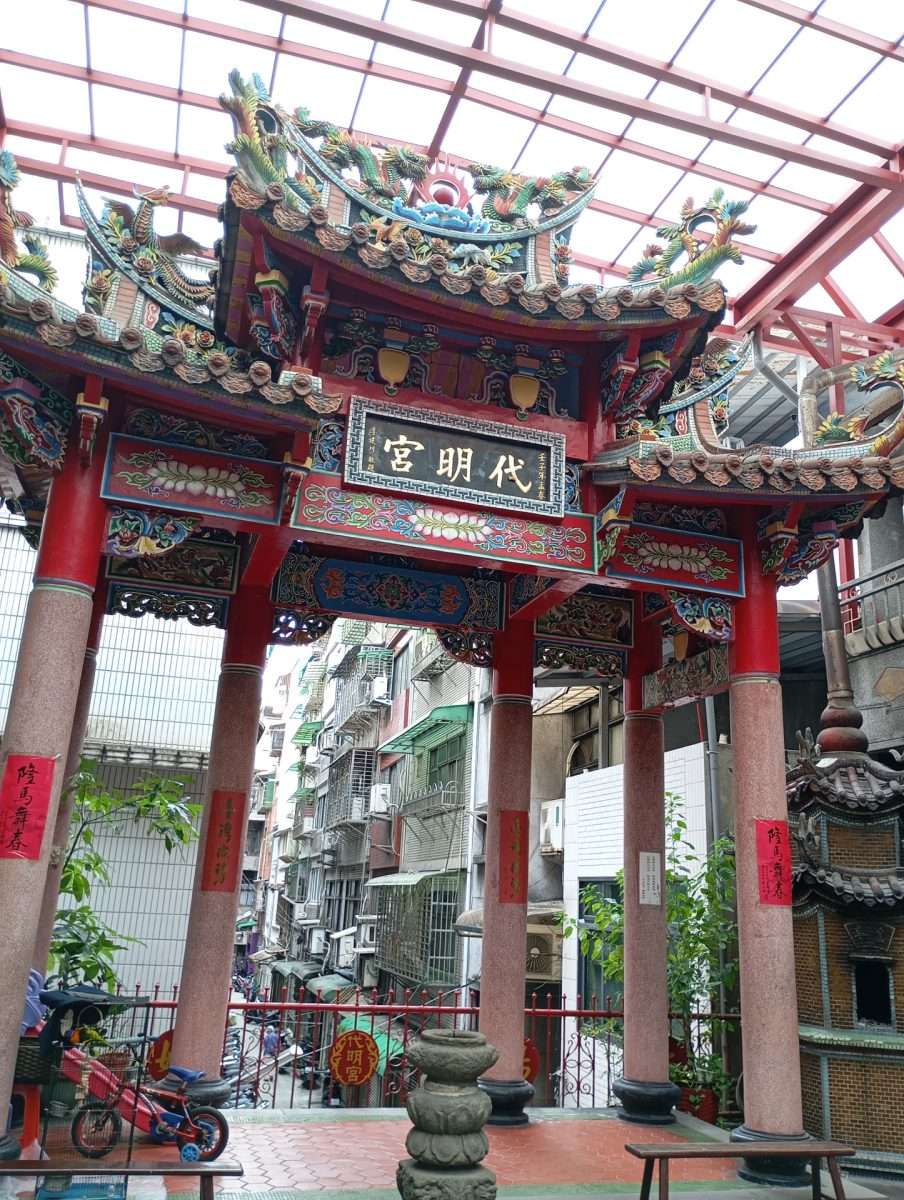
A perfect example is Qing’an Temple, one of Keelung’s historic temples.
It is primarily dedicated to Mazu, one of the most important religious figures among Taiwan’s maritime communities.
The connection is easy to understand: If your life depends on the sea, the sea can provide food and prosperity, but it can also take someone away. Going out to fish means placing your trust in something you cannot control.
In this context, a deity associated with protecting people who travel and work at sea takes on a particular meaning.
The Keelung City Government states that Qing’an Temple was established for the worship of Mazu when the area was an active port and a significant part of its population made a living from fishing. The temple has more than two centuries of history.
So when you visit the temple, you are not simply looking at a statue of a goddess. You are looking at the historical relationship between a city, a community, and the sea.
If you want to learn more about the history of the temple and its relationship with Mazu, I recommend reading The Great Mother of Keelung: Mazu by Keelung For A Walk.
Another example can be found at Dianji Temple.
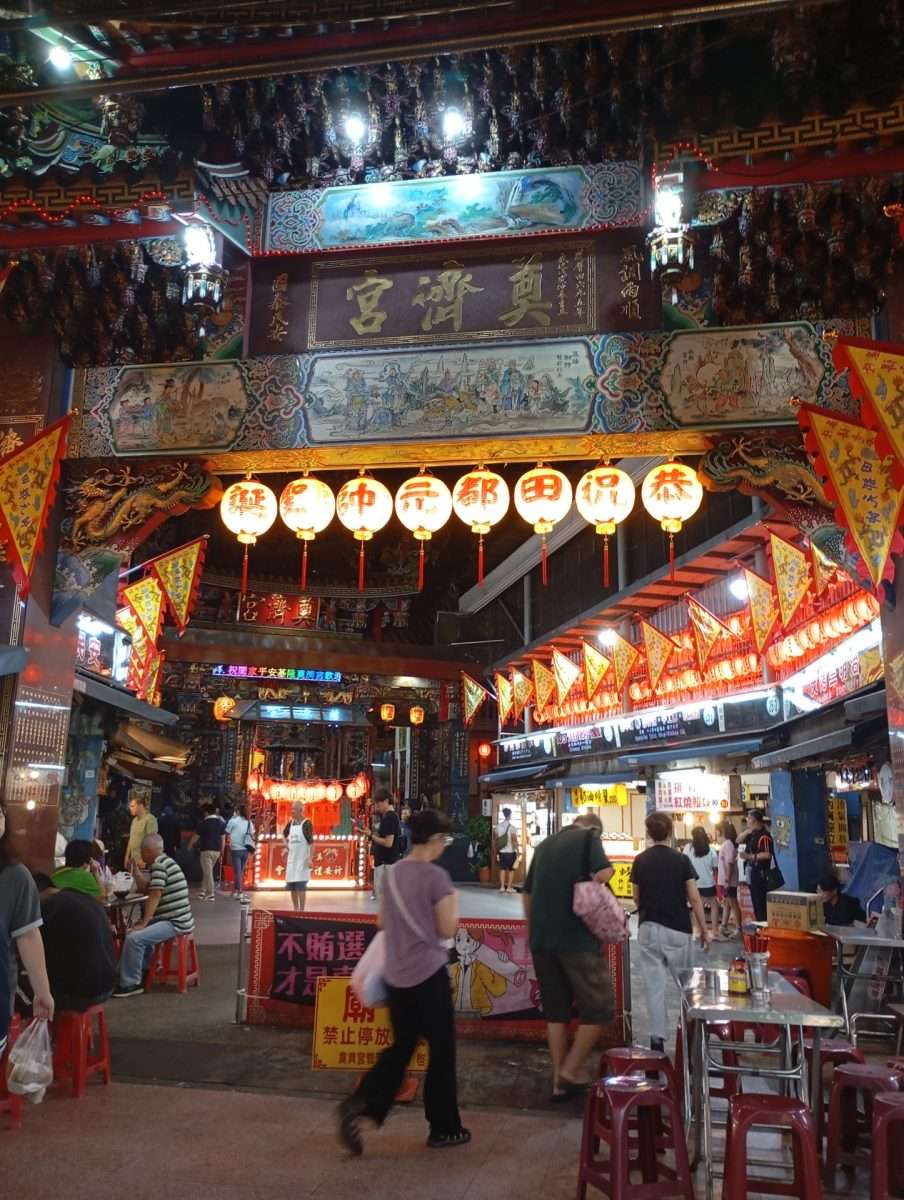
Its principal deity is Kaichang Shengwang, a figure particularly venerated by communities historically connected to Zhangzhou and the broader Minnan cultural region.
The Keelung City Government explains that a large part of the city’s historical population came from this background, which is why the worship of Kaichang Shengwang became especially important. Dianji Temple was built in 1873 and is one of the city’s major temples.
This is how temples begin to function as a kind of living archive.
Not an archive of documents, but one that preserves, through its deities, rituals, buildings, and celebrations, part of the history of the communities that built the city.
A City That Also Remembers Its Dead
There is another particularly important dimension to Keelung: its relationship with the dead.
The city is famous for the Keelung Ghost Festival, a celebration connected to Zhongyuan and to practices associated with spirits. Its modern origins date back to the 19th century, following conflicts between communities of Zhangzhou and Quanzhou origin.
According to the Keelung City Government, in 1855 a community organization was established based on a rotation system among different family groups to conduct the ceremonies and offer pudu to the spirits.

Over time, the festival became one of the city’s most important traditional celebrations and is recognized as intangible cultural heritage.
This is particularly significant in a city like Keelung.
Because a port city does not only have stories about people who arrive. It also has stories about people who never returned, people who died in conflicts, people who died far from their families, people who died at sea.
And in Zhongyuan Festival practices, we see precisely this concern for spirits who have no one to care for or remember them.
One of the best-known images of the festival is the water lanterns released into the sea. According to festival tradition, these are associated with the spirits of those who drowned.
Once again, the sea appears — this time not as a route of arrival, but as part of the memory of those who never returned.
If you want to explore this part of Keelung’s history in greater depth, Keelung For A Walk has a Keelung Ghost Festival Guide and a specific article about the Keelung Mid-Summer Ghost Festival Museum, there, you can learn more about the festival’s rituals, family associations, and the objects that form part of the celebration.
The Harbor, the Temples, and the Market Are More Connected Than They Seem
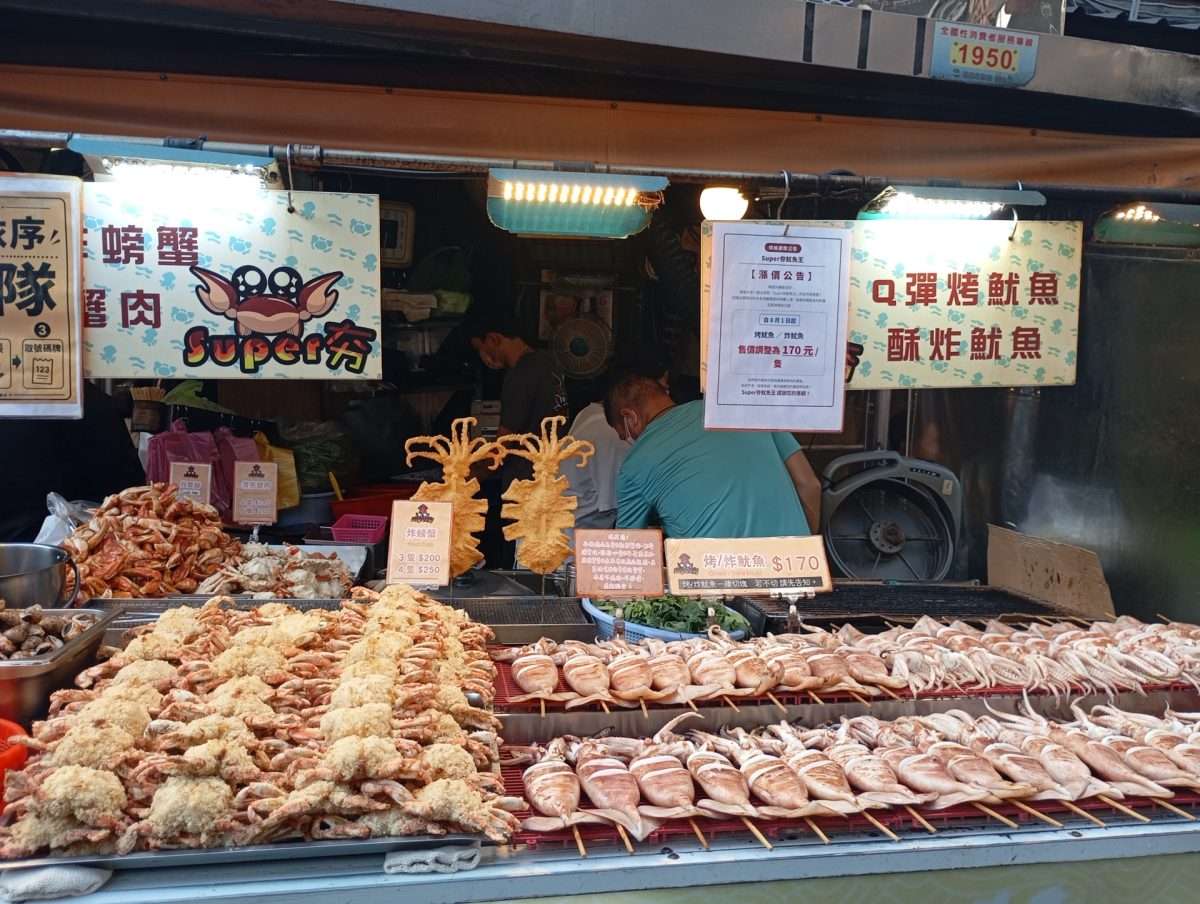
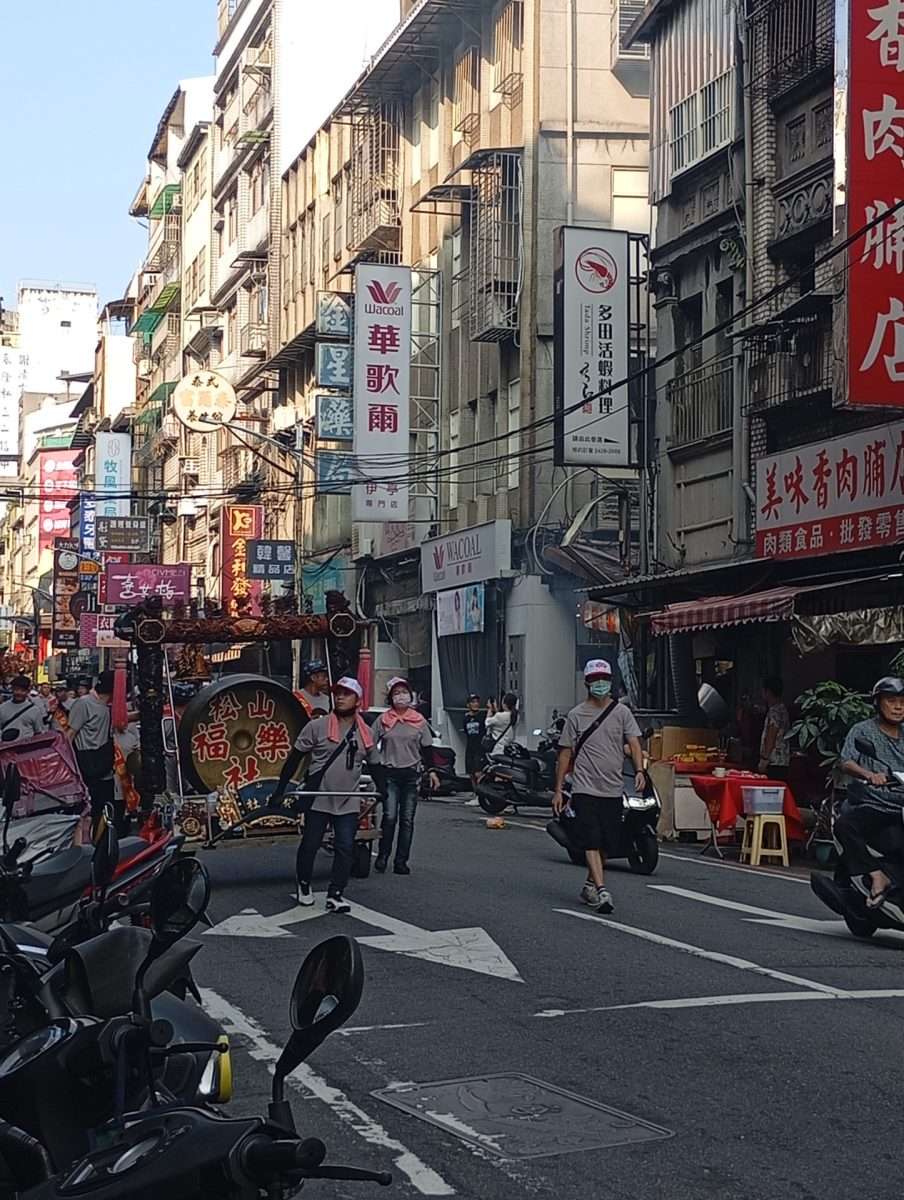
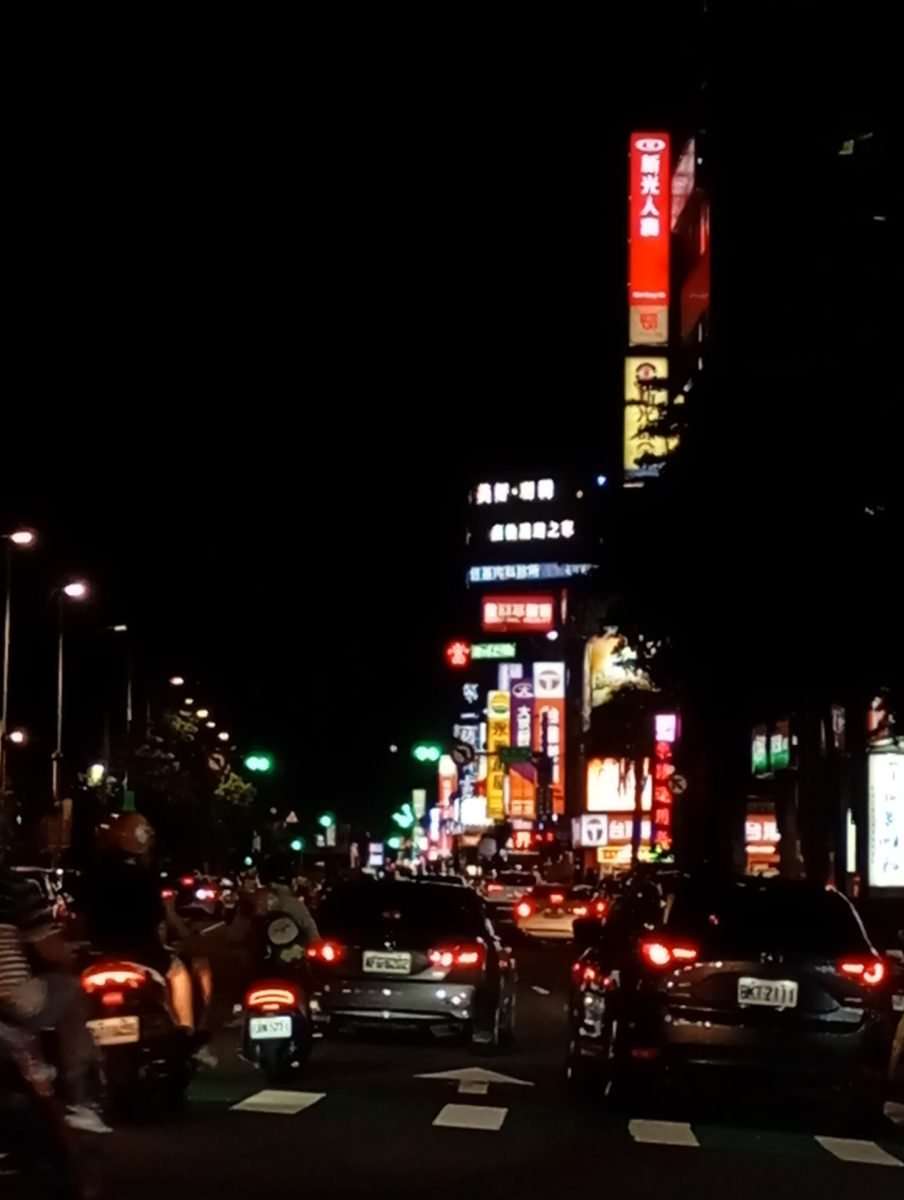
When you walk through central Keelung, you can go within minutes from a temple to a commercial street, from a commercial street to the harbor, and from the harbor back to another religious space.
To a visitor, these may seem like completely different places. But historically, they have all been part of the same city.
Temples were connected to communities. Communities participated in economic activities.
The harbor attracted people, and people needed food, commerce, transportation, and places to meet. Around all of this, the city developed.
Miaokou Night Market
Miaokou Night Market is not simply a good place to eat after visiting temples. It is another way of observing the same history: religion, commerce, food, and everyday life coexisting within the same urban space.
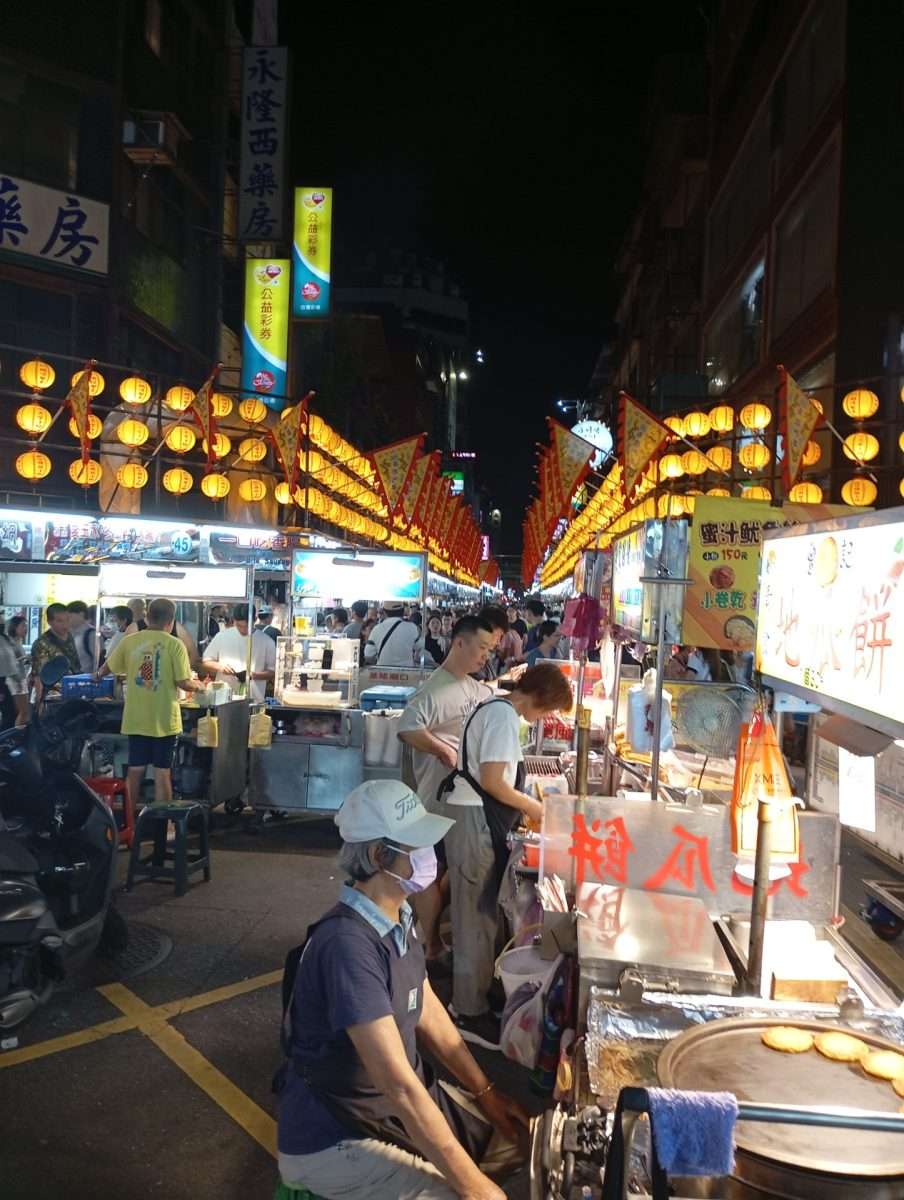
Local authorities highlight Miaokou as one of the city’s emblematic areas, where culinary traditions and historical memory coexist within the same urban environment.
This is why Keelung cannot be understood simply by looking at the harbor. It can be understood by looking at the connections.
The sea explains part of the economy.
The economy explains part of the migrations.
The migrations help explain certain communities.
The communities help explain particular temples.
The temples preserve deities, rituals, and memories.
And those memories continue to appear in the streets, in festivals, in food, and in the way the city relates to its dead.
That is why, when you visit Keelung’s temples, do not look at them as isolated buildings: Look at them as pieces of a city.
A city that for centuries has received people by sea.
A city shaped by fishing, trade, and mining.
A city that has been an international port, an industrial city, a military target, and a fishing center.
And a city that still preserves, in the middle of everyday life, the traces of the communities that built it.
Now, let’s learn how to read its temples
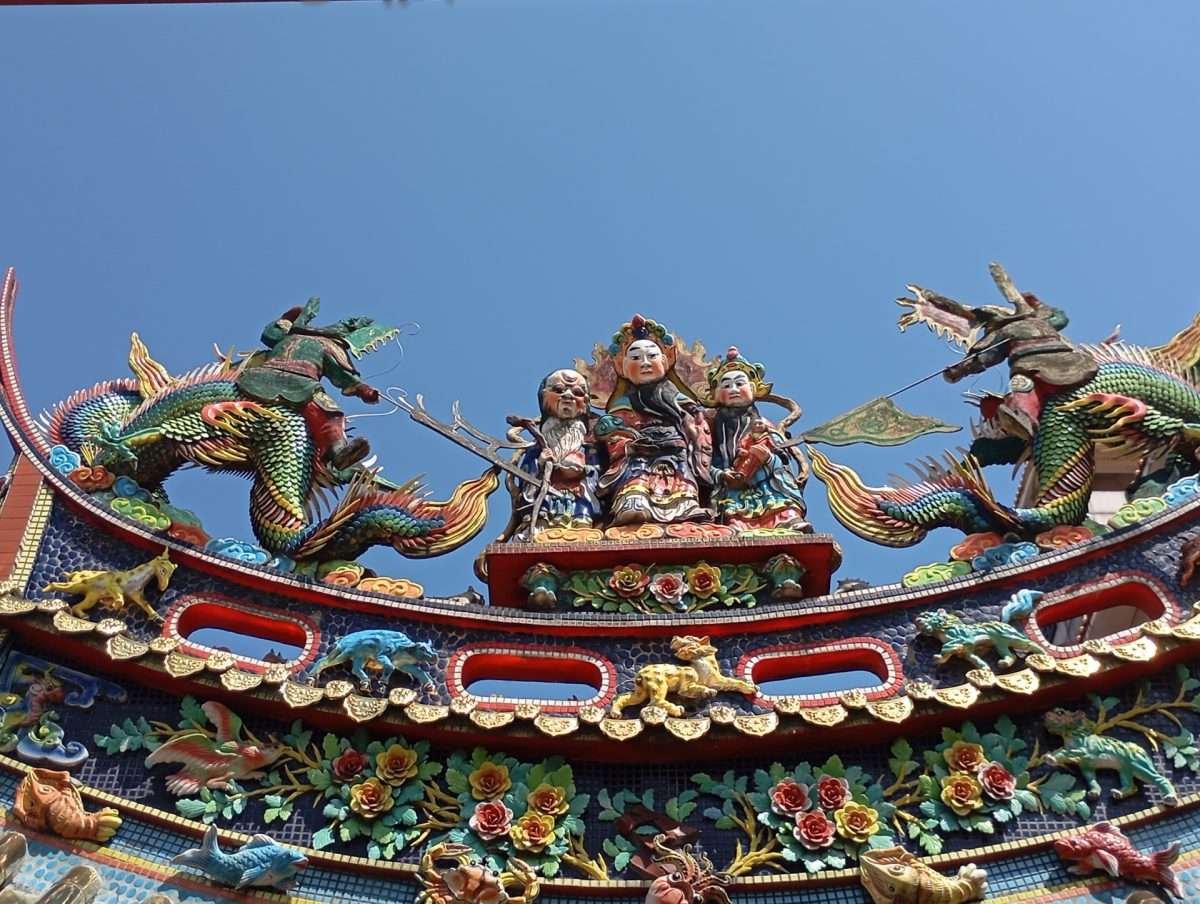
In the next article, we are going to step inside those spaces: How to Read the Temples of Keelung, Part 2.
But this time, not simply to photograph them.
We are going to learn how to recognize the deities we encounter, what they represent, why incense is used, what votive paper is, what Jiaobei are for, how temple architecture works, and what we can — or should not — do as visitors.
Because when you know what you are looking at, a temple stops being simply a beautiful place.
It becomes a way of reading the history of Keelung.
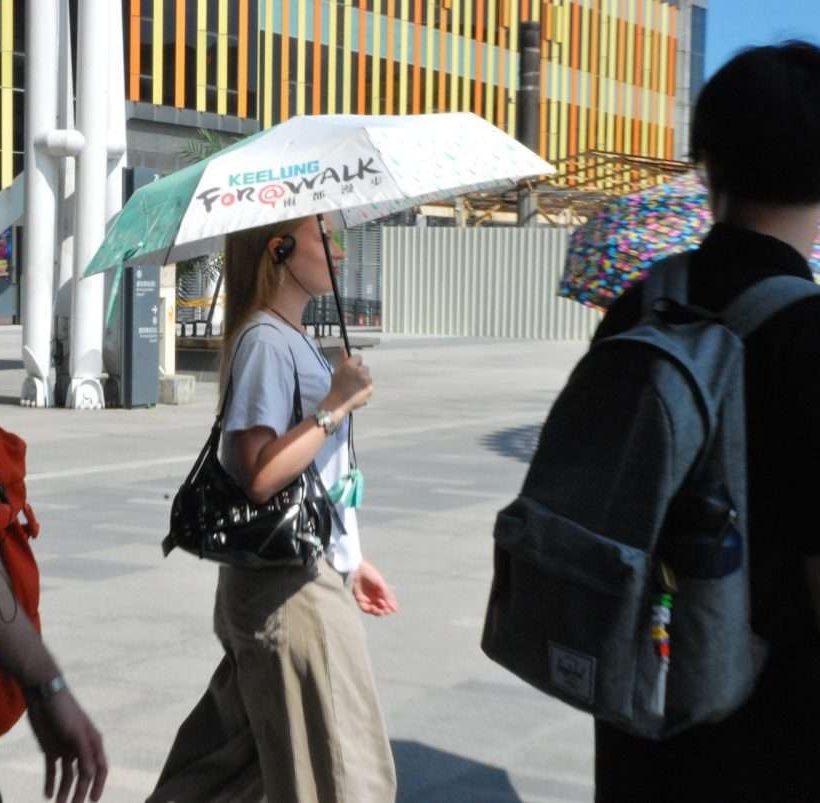
If you would like to learn more about Keelung’s history, I invite you to take the self-guided tour by Keelung For A Walk, which explores the history and places connected to the city’s religious heritage: Keelung for a Walk — Self-Guided Tour.

Leave a Reply